Dubai or Abu Dhabi?
The ultra-luxury choice
Neighboring emirates with very different personalities — and an easy drive between them.
This guide is for travelers choosing between the UAE's two headline cities for a top-tier stay. The short answer: choose Dubai for energy, spectacle and dining, and Abu Dhabi for calm beaches, culture and space. In Dubai, decide between a beach resort on Palm Jumeirah or the Jumeirah coast and a skyline hotel in Downtown near the Burj Khalifa. In Abu Dhabi, Saadiyat Island pairs quiet natural beaches with the Louvre Abu Dhabi, and the Sheikh Zayed Grand Mosque is unmissable. The two are close enough to combine in one trip. Travel between November and March; summer heat is extreme and makes outdoor time difficult.
How do Dubai and Abu Dhabi differ in character?
Dubai is the region's showpiece: a city of record-making towers, artificial islands, vast malls and beach clubs. It moves fast and stays up late. Luxury here is about spectacle and choice — sky-high suites, private beaches, celebrity-chef dining and shopping at every price point.
Abu Dhabi, the UAE’s capital, sits in a far larger emirate and is calmer in feel. Its luxury is about space, culture and nature: wide boulevards, mangrove lagoons, natural beaches where turtles nest, and landmark institutions including the Sheikh Zayed Grand Mosque and the Louvre Abu Dhabi. Resorts feel more spread out and less crowded.
Neither is "better." Couples seeking romance and quiet, culture lovers and families wanting serene beaches often lean toward Abu Dhabi. First-time visitors, food-focused travelers and anyone who wants nightlife and an iconic skyline usually prefer Dubai. Since the cities are a straightforward highway drive apart, many itineraries include both.
Dubai: Palm Jumeirah, Downtown or the Jumeirah coast?
- Palm Jumeirah — the palm-shaped artificial island lined with resorts, each with a private beach and views back to the skyline. Best for a resort holiday with beach, pools and dining in one place. Expect to take a car or monorail into the city.
- Downtown Dubai — the vertical heart of the city, around the Burj Khalifa, the Dubai Mall and the Dubai Fountain shows on the lake. Best for first-timers who want to walk to dinner and sightseeing; no beach.
- Jumeirah coast and Umm Suqeim — classic beach resorts along the mainland shore, with views of the sail-shaped tower offshore and easy access to the old Jumeirah neighborhoods.
- Dubai Marina and JBR — high-rise waterfront living with a lively beachfront promenade; energetic rather than secluded.
- DIFC and Business Bay — polished, central and strong on dining and galleries.
For a first visit, a split works well: two or three nights Downtown, then a beach resort on the Palm or the Jumeirah coast.
Abu Dhabi: Saadiyat, Yas or the Corniche?
- Saadiyat Island — the island most associated with Abu Dhabi luxury, with long, natural white-sand beaches backed by protected dunes, where hawksbill turtles nest. It also hosts the Saadiyat Cultural District, home to the Louvre Abu Dhabi. Ideal for couples, families and culture-led trips.
- Yas Island — the entertainment island, with theme parks, a Formula One circuit, a marina, golf and a water park. Best for families with older children and motorsport fans.
- The Corniche and central city — a long waterfront promenade with beaches and city views; good for exploring Qasr Al Watan, the presidential palace open to visitors, and the city's older heritage sites.
- Mangrove and lagoon areas — the eastern mangroves offer kayaking and quiet waterfront stays.
- Desert retreats — further afield, resorts in the dunes near the Liwa Oasis, on the edge of the Empty Quarter, offer one of the region's most dramatic landscapes.
Culture: mosques, museums and old Dubai
Both cities offer more depth than their reputations suggest.
In Abu Dhabi, the Sheikh Zayed Grand Mosque is the essential visit — a vast white marble complex of domes, reflecting pools and intricate floral inlay, which welcomes visitors of all faiths outside prayer times. Go in the late afternoon to see it change color at sunset. The Louvre Abu Dhabi, beneath its latticed dome that filters light like palm fronds, tells a story of human creativity across civilizations. Qasr Al Watan showcases Arab craftsmanship and the nation's governance.
In Dubai, step back from the towers to Al Fahidi Historical Neighbourhood, with its wind-tower houses and small museums, then cross Dubai Creek by abra, the traditional wooden water taxi, to the Gold and Spice Souks in Deira. The Museum of the Future and the Etihad Museum add contemporary perspectives. Cultural centers in both cities offer guided conversations about Emirati traditions — an excellent introduction for first-time visitors.
Desert experiences worth doing well
The desert is the region's soul, and it deserves more than a crowded group tour. Luxury options include:
- Private desert safaris in a 4x4 with a guide, with dune drives tailored to your comfort level, followed by dinner at a private camp under the stars.
- Sunrise hot-air balloon flights over the dunes, often followed by a falconry display and breakfast.
- Falconry and camel experiences with handlers who explain their place in Emirati heritage.
- Conservation reserves on Dubai's outskirts, where Arabian oryx and gazelles roam and vehicle numbers are limited.
- A night in a desert resort, either near Dubai or in the vast dunes of Liwa in Abu Dhabi emirate, for silence, stargazing and sunrise walks.
For the most comfortable experience, go early morning or late afternoon, even in winter. Ask operators about vehicle safety standards and whether dune driving is optional — many luxury experiences focus on scenery rather than thrills.
Dress code and etiquette for visitors
Both emirates are cosmopolitan and welcoming, with local customs that visitors are expected to respect.
- Swimwear belongs at the beach or pool. Cover up with a shirt, dress or kaftan when walking through hotel lobbies, malls or streets.
- In malls and public places, clothing that covers shoulders and knees is considered respectful.
- At mosques, women should cover hair, arms and legs with loose clothing; men should wear long trousers and sleeves. The Grand Mosque provides suitable garments if needed.
- Public displays of affection should be kept discreet.
- Alcohol is served in licensed venues, mainly hotels and restaurants; public drunkenness is not tolerated.
- Photography: ask before photographing people, especially women, and avoid government buildings.
During Ramadan, whose dates move earlier each year, be discreet about eating and drinking in public during daylight hours. Many visitors enjoy the season's atmosphere, especially the iftar meals at sunset.
When to go, and how to combine both cities
The ideal window is November to March, when days are warm and sunny and evenings are pleasant for outdoor dining and desert trips. October and April are warmer shoulder months. From June to September, heat and humidity are extreme; life moves indoors, though resort rates fall and pools, spas and air-conditioned attractions remain enjoyable.
Combining the two is simple. The cities are linked by a modern highway, so a private car transfer is the easiest way to move between them, with the option of stopping at the Grand Mosque or Yas Island on the way. Abu Dhabi and Dubai both have major international airports, so you can fly into one and out of the other.
A balanced week: three nights in Dubai, split between Downtown and a beach resort, followed by three or four nights on Saadiyat Island. Add a desert night if time allows — the contrast of skyline, beach and dunes is what makes this region memorable.
🧭 Dubai in 3 days: a self-guided itinerary
This three-day Dubai itinerary is built around Burj Khalifa, the Al Fahidi Historical Neighbourhood and Burj Al Arab — Downtown first, then old Dubai, then the Jumeirah coast. Every day opens as a single route in Google Maps.
Day 1 Downtown Dubai
- AfternoonDubai MallHome of the Dubai Shopping Festival, with more than 200 luxury brands on its Fashion Avenue and the Dubai Aquarium & Underwater Zoo.
- SunsetBurj KhalifaThe world's tallest building and one of Dubai's top attractions.
Day 2 Old Dubai
- MorningAl Fahidi Historical NeighbourhoodThe place to explore Dubai's culture, heritage and architecture.
- AfternoonDubai FrameGalleries on old, present and future Dubai, with a sky deck looking to old Dubai in the north and new Dubai in the south.
Day 3 The Jumeirah coast
- MorningEtihad MuseumBuilt at the very place where the UAE was founded in 1971, telling the story of the union with a focus on 1968 to 1974.
- SunsetBurj Al ArabThe sail-shaped hotel, born from a 1993 sketch inspired by a passing sail, rising from the Arabian Gulf.
- Book Burj Khalifa ahead if you want to be at the top for sunset on day 1.
- Burj Al Arab is a hotel, so plan to see it from the beach or book a table to go inside.
Suggested order only — tap a route to see live travel times. Opening hours and tickets change, so check each official site before you go. Places checked November 19, 2026 on: Visit Dubai (Dubai's official tourism board) · Dubai Mall · Dubai Frame (Dubai Municipality) · Dubai Culture — Etihad Museum · Jumeirah Burj Al Arab.
🧭 Abu Dhabi in 3 days: a self-guided itinerary
This three-day Abu Dhabi itinerary is built around Qasr Al Hosn, Louvre Abu Dhabi and Sheikh Zayed Grand Mosque — the city's palaces, then Saadiyat's museums, then mangroves and the mosque on the airport side. Every day opens as a single route in Google Maps.
Day 1 Palaces old and new
- AfternoonQasr Al HosnThe oldest stone building in Abu Dhabi, open all year with traditional performances, demonstrations and workshops.
- SunsetQasr Al WatanA working presidential palace whose halls, library and House of Knowledge are open to visitors.
Day 2 Saadiyat Cultural District
- MorningLouvre Abu DhabiJean Nouvel's museum beneath a 180-metre silvery dome, with loans from the Musée du Louvre, Musée d'Orsay and Centre Pompidou.
- AfternoonZayed National MuseumA Foster + Partners museum honouring Sheikh Zayed, telling over 300,000 years of the land's human history across six galleries.
Day 3 Mangroves & the Grand Mosque
- MorningMangrove National ParkA peaceful park just outside the city centre; kayaking its many channels is one of the best ways to see it.
- SunsetSheikh Zayed Grand MosqueKnown for its 82 domes and gold-leaf calligraphy; after sunset the whole facade is lit up.
- Louvre Abu Dhabi and Zayed National Museum sit side by side in the Saadiyat Cultural District; Museum Pass options are listed on the tourism board's pages.
- Sheikh Zayed Grand Mosque is on the way to the airport, so day 3 suits a late departure.
Suggested order only — tap a route to see live travel times. Opening hours and tickets change, so check each official site before you go. Places checked November 19, 2026 on: Visit Abu Dhabi (Department of Culture and Tourism) · Qasr Al Hosn.
🏨 Five-star stays in Dubai & Abu Dhabi (live Agoda data) (16)
Five-star only, ranked by nightly price. Live Agoda rates for 2 adults, taxes and fees included, checked 2026-11-19 — confirm the live rate on Agoda.


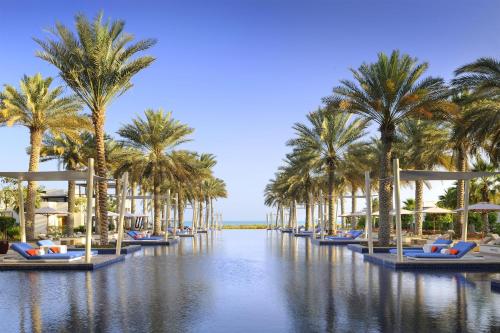


🏙️ Where to stay: beach, skyline or island
🍽️ Experiences worth planning around
❓ Frequently asked questions
Is Dubai or Abu Dhabi better for a luxury holiday?
It depends on your style. Dubai offers spectacle, nightlife, shopping and an unrivaled dining scene. Abu Dhabi is calmer, with natural beaches, cultural landmarks and more space. Many travelers combine both: a few nights in Dubai for energy, then Saadiyat Island in Abu Dhabi to unwind.
Is Palm Jumeirah or Downtown Dubai better to stay?
Palm Jumeirah suits a resort holiday with private beaches and pools. Downtown suits sightseeing, with the Burj Khalifa, Dubai Mall and fountains within walking distance, but no beach. For a first visit of five nights or more, splitting time between the two gives you both experiences.
What is the best time of year to visit Dubai and Abu Dhabi?
November to March offers warm, sunny days and comfortable evenings, ideal for beaches and desert trips. October and April are hotter shoulder months. June to September brings extreme heat and humidity, so outdoor activity is limited, though hotel rates are typically lower.
What should tourists wear in Dubai?
Swimwear is fine at beaches and pools, but cover up elsewhere. In malls and public spaces, clothing that covers shoulders and knees is respectful. At mosques, women should cover their hair, arms and legs and men should wear long trousers. Evening dress in restaurants is generally smart.
Can non-Muslims visit the Sheikh Zayed Grand Mosque?
Yes. The mosque welcomes visitors of all faiths outside prayer times. Modest dress is required: women must cover their hair, arms and legs, and men must wear long trousers. Suitable garments are available if needed. Check visiting hours and any booking requirements before you go.
Is it worth doing a desert safari in Dubai?
Yes, especially as a private or small-group experience. Options range from 4x4 dune drives and dinner at a desert camp to sunrise balloon flights, falconry and nights at a desert resort. Choose operators with good safety standards, and ask whether dune driving is optional if you prefer a gentler experience.
Can you do a day trip from Dubai to Abu Dhabi?
Yes. The cities are linked by a modern highway, and a private car makes an easy day trip to the Grand Mosque, the Louvre Abu Dhabi and Qasr Al Watan. However, Abu Dhabi rewards an overnight stay, particularly on Saadiyat Island, where the beaches are quieter than Dubai's.
Some links are Agoda affiliate links; we may earn a commission at no extra cost to you. Hotel lists are refreshed from Agoda's public data and prices are indicative at the time of the last check. Destination details are compiled from general, publicly available information and may change — confirm transfers, visas and opening times before you travel.